The Ultimate Guide to Visiting Musée d’Orsay for the First Time

Charlotte Whitfield
16 June 2026
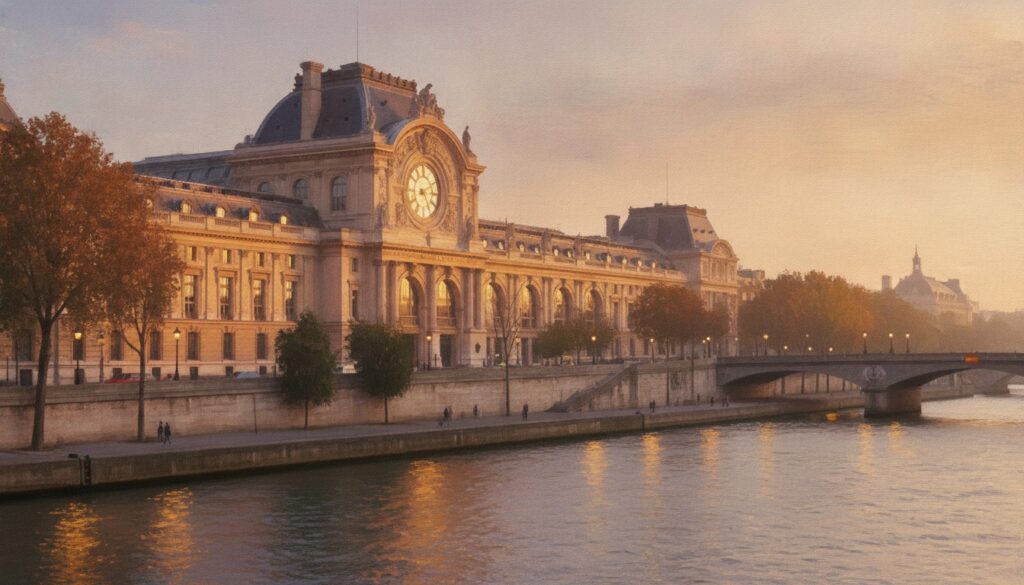
The Ultimate Guide to Visiting Musée d’Orsay for the First Time
Few museums in the world can rival the sheer magic of walking into a former railway station and finding yourself surrounded by some of the most celebrated artworks ever created. The Musée d’Orsay, nestled along the Left Bank of the Seine in Paris, is home to the world’s largest collection of Impressionist and Post-Impressionist masterpieces. From Monet’s shimmering water lilies to Van Gogh’s swirling starry nights, this museum is a pilgrimage site for art lovers — and an unforgettable experience for anyone visiting Paris.
But if it’s your first time, the prospect of navigating this sprawling, multi-level museum can feel daunting. Where do you buy tickets? What should you see first? When is the best time to avoid crowds? Don’t worry — this comprehensive guide answers every question you might have so you can walk through those iconic doors with confidence and make every moment count.
A Brief History of the Musée d’Orsay
Before diving into logistics, it helps to understand what makes this museum so unique. The building itself is a work of art. Originally constructed as the Gare d’Orsay — a grand Beaux-Arts railway station — for the 1900 Universal Exhibition, the station served the southwestern rail lines of France. By 1939, however, its platforms were too short for modern trains, and the station fell into disuse.
For decades, the building faced an uncertain future. It served as a mailing center during World War II, a set for Orson Welles’ film adaptation of Kafka’s The Trial, and was even slated for demolition. Thankfully, in 1977, the French government decided to transform it into a museum dedicated to art from 1848 to 1914 — bridging the gap between the Louvre and the Centre Pompidou.
The Musée d’Orsay officially opened on December 9, 1986, and today it welcomes over 3.5 million visitors annually. The soaring glass ceiling, the monumental clock faces, and the airy nave all preserve the grandeur of the original station while providing a breathtaking backdrop for the art within.
How to Buy Tickets and Skip the Lines
One of the biggest mistakes first-time visitors make is showing up without a ticket and joining the long queue outside. Here’s how to avoid that:
Online Tickets
- Book in advance through the official Musée d’Orsay website. Online tickets come with a timed entry slot, which means you can skip the general admission line entirely.
- Tickets cost approximately €16 for adults (prices may vary; always check the official site for the latest pricing).
- Children under 18 enter for free, as do EU residents under 26.
- The first Sunday of each month offers free admission, but expect significantly larger crowds.
- The museum is open Tuesday through Sunday, from 9:30 AM to 6:00 PM.
- On Thursdays, the museum stays open late until 9:45 PM — this is one of the best-kept secrets for avoiding crowds.
- The museum is closed on Mondays, as well as on May 1 and December 25.
- Early morning (9:30–10:30 AM): Arriving right when the doors open gives you a precious window to enjoy the most popular galleries before tour groups arrive.
- Thursday evenings (after 6:00 PM): The late opening thins out the crowds dramatically. The golden light filtering through the glass roof at sunset is an experience in itself.
- Weekdays in the off-season (November through March): If your travel dates are flexible, visiting during the quieter months offers the most relaxed experience.
- Sculpture from the mid-19th century, including works by Jean-Baptiste Carpeaux and Antoine-Louis Barye
- Pre-Impressionist paintings by artists like Ingres, Delacroix, and early works by Manet
- Realist masterpieces, including Gustave Courbet’s monumental The Origin of the World and A Burial at Ornans
- Claude Monet: Rouen Cathedral series, Blue Water Lilies, The Magpie
- Pierre-Auguste Renoir: Bal du moulin de la Galette, Dance at Bougival
- Edgar Degas: The Dance Class, Blue Dancers
- Vincent van Gogh: Starry Night Over the Rhône, Bedroom in Arles, Self-Portrait
- Paul Cézanne: The Card Players, Apples and Oranges
- Art Nouveau furniture and decorative arts — stunning examples of the movement’s organic, flowing designs
- Symbolist paintings and works by the Nabis group, including Pierre Bonnard and Édouard Vuillard
- Neo-Impressionist works by Georges Seurat (including studies for A Sunday Afternoon on the Island of La Grande Jatte) and Paul Signac
- Édouard Manet — Olympia (1863): This provocative painting of a reclining nude scandalized Paris when it was first exhibited. It’s a cornerstone of modern art.
- Claude Monet — Blue Water Lilies (1916–1919): A luminous example of Monet’s late work, where form dissolves into pure color and light.
- Vincent van Gogh — Starry Night Over the Rhône (1888): Not to be confused with the MoMA’s Starry Night, this mesmerizing nocturnal scene captures the reflections of gaslight on the Rhône River.
- Pierre-Auguste Renoir — Bal du moulin de la Galette (1876): A joyful, sun-dappled scene of Parisians dancing outdoors — the very essence of Impressionism.
- Gustave Courbet — The Origin of the World (1866): One of the most controversial paintings in art history, this unflinching work continues to provoke and fascinate.
- James McNeill Whistler — Arrangement in Grey and Black No. 1 (1871): Better known as Whistler’s Mother, this iconic portrait is one of the most recognizable paintings in American art — and it lives in Paris.
- Edgar Degas — The Dance Class (c. 1874): Degas’ intimate glimpse into the world of ballet dancers is a masterclass in composition and movement.
- Comfortable shoes: The museum is large, and you’ll be on your feet for 2–4 hours.
- A light jacket or sweater: The upper galleries can be cool, especially in winter.
- A portable phone charger: You’ll want plenty of battery for photos (photography without flash is allowed in the permanent collection).
- Large bags and backpacks must be checked at the cloakroom. Bring a small crossbody bag instead.
- Selfie sticks and tripods are not permitted.
- Umbrellas must also be checked.
- The museum offers an official audio guide for approximately €6, available in multiple languages. It’s well worth the investment for context on the major works.
- Guided tours are available and can be booked through the museum’s website. A knowledgeable guide can transform your experience, especially if you’re not deeply familiar with Impressionist art history.
- The free Musée d’Orsay app provides interactive maps and curated tour routes.
- The Café Campana on Level 5 offers stunning views through the museum’s famous clock face — a perfect spot for a coffee break.
- The Restaurant du Musée d’Orsay on Level 1 is a lavish, gilded dining room that feels like stepping into a Belle Époque palace. It’s ideal for a sit-down lunch, though reservations are recommended.
- For a quick bite, the Café de l’Ours on the ground floor offers sandwiches, pastries, and drinks.
- Musée de l’Orangerie (15-minute walk through the Tuileries Garden) — See Monet’s monumental Water Lilies murals in their purpose-built oval rooms.
- Musée Rodin (10-minute walk) — Explore Rodin’s sculptures, including The Thinker and The Kiss, in a beautiful mansion and garden setting.
- Saint-Germain-des-Prés (5-minute walk) — Wander through one of Paris’s most charming neighborhoods, filled with cafés, bookshops, and boutiques.
- The Louvre (10-minute walk across the Passerelle Léopold-Sédar-Senghor footbridge) — If you have the energy, the world’s largest museum is just across the river.
- Wheelchair access is available throughout the museum, with elevators connecting all levels.
- Visitors with disabilities (and one companion) receive free admission.
- Tactile galleries and special programs are available for visually impaired visitors.
- Family-friendly resources include activity booklets for children and family-oriented guided tours during school holidays.
Museum Passes
If you’re planning to visit multiple museums during your Paris trip, consider the Paris Museum Pass. It grants access to over 50 museums and monuments, including the Musée d’Orsay, and allows you to skip ticket lines.
Pro Tip: Even with a Museum Pass, you’ll still need to go through security screening. Arrive early to minimize wait times, especially during peak tourist season (June through September).
Combined Tickets
The Musée d’Orsay offers combined tickets with the Musée de l’Orangerie (home to Monet’s famous large-format Water Lilies panels) and the Musée Rodin. These combo deals save you money and make for a perfect art-filled day.
Best Times to Visit
Timing your visit can make the difference between a serene, contemplative experience and a shoulder-to-shoulder shuffle through crowded galleries.
Days and Hours
Optimal Visiting Windows
Insider Tip: Avoid visiting on the first Sunday of the month unless you truly don’t mind crowds. The free admission draws enormous numbers of visitors, and the experience can feel rushed.
Navigating the Museum: Floor-by-Floor Guide
The Musée d’Orsay is organized across five levels, with art arranged roughly in chronological and thematic order. Here’s a strategic overview to help you plan your route:
Ground Floor (Level 0)
The ground floor occupies the grand nave of the former station. Here you’ll find:
Upper Level (Level 5)
This is where the magic happens for most visitors. The Impressionist and Post-Impressionist galleries on the top floor house the museum’s most famous works:
Strategy: Many visitors head straight to Level 5. If you want to beat the rush, consider starting on the ground floor and working your way up — or visiting Level 5 first thing in the morning before the crowds build.
Middle Level (Level 2)
Often overlooked, the middle level contains:
Must-See Masterpieces You Can’t Miss
With thousands of works on display, it’s impossible to see everything in a single visit. Here are the absolute must-see pieces that should be on every first-timer’s list:
Practical Tips for a Smooth Visit
Here are some additional tips to ensure your visit goes as smoothly as possible:
What to Bring
What to Leave Behind
Audio Guides and Tours
Dining at the Museum
Nearby Attractions Worth Combining
The Musée d’Orsay’s location on the Left Bank puts you within easy reach of several other Parisian highlights:
Accessibility and Special Considerations
The Musée d’Orsay is committed to accessibility:
Conclusion
The Musée d’Orsay is more than just a museum — it’s a transformative experience. From the breathtaking architecture of the former railway station to the world’s finest collection of Impressionist art, every corner of this building tells a story. Whether you’re standing before Van Gogh’s swirling brushstrokes, marveling at the play of light in a Monet, or simply gazing up at the magnificent glass ceiling, the Musée d’Orsay has a way of making you fall in love with art all over again.
By planning ahead — booking your tickets online, choosing the right time to visit, and knowing which masterpieces to prioritize — you can transform a potentially overwhelming first visit into an unforgettable journey through one of the most important periods in art history.
Ready to Plan Your Visit?
Don’t leave your Musée d’Orsay experience to chance. Bookmark this guide, share it with your travel companions, and start planning your perfect museum day. If you found this article helpful, explore our other Paris visitor guides for insider tips on the Louvre, Montmartre, Versailles, and more. Have you already visited the Musée d’Orsay? We’d love to hear about your experience — leave a comment below and tell us which masterpiece took your breath away!
Happy travels, and enjoy every brushstroke. 🎨