Planning the Perfect Day Around Musée d’Orsay: Cafés, Walks, and Nearby Attractions

Charlotte Whitfield
16 June 2026
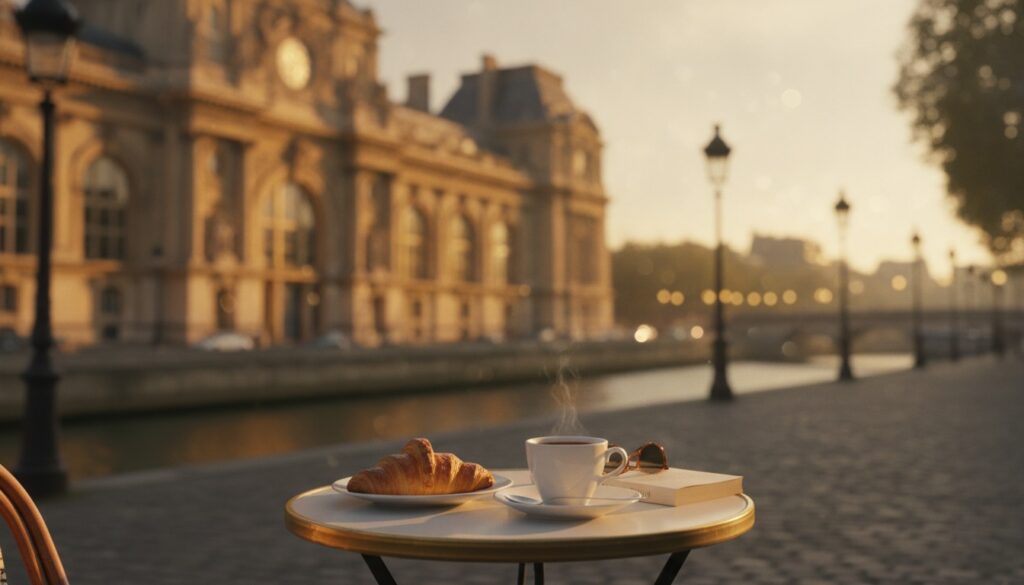
Planning the Perfect Day Around Musée d’Orsay: Cafés, Walks, and Nearby Attractions
Introduction
There’s something magical about building an entire day around a single Parisian landmark — and the Musée d’Orsay is one of the most rewarding places to do exactly that. Housed in a breathtaking former railway station on the Left Bank of the Seine, this world-renowned museum is home to the largest collection of Impressionist and Post-Impressionist masterpieces on the planet. But here’s the secret seasoned travelers know: the neighborhood surrounding the Musée d’Orsay is just as enchanting as the art inside.
From cozy morning cafés where you can sip a café crème before the doors open, to golden-hour strolls along the riverbank and hidden cultural gems tucked down quiet side streets, the 7th arrondissement offers a full day of unforgettable experiences. Whether you’re a first-time visitor to Paris or a returning devotee, this itinerary will help you craft the perfect day — one that goes far beyond the museum walls.
Grab your walking shoes, charge your camera, and let’s plan a day you’ll never forget.
Morning: Fuel Up at the Best Nearby Cafés
Every great Parisian day starts with a great Parisian breakfast. Arriving in the neighborhood early gives you the chance to soak in the morning atmosphere before the tourist crowds descend. Here are some of the best spots within a short walk of the Musée d’Orsay:
Café de Flore & Les Deux Magots
While technically in the neighboring Saint-Germain-des-Prés district (about a 12-minute walk), these legendary literary cafés are absolutely worth the detour. Hemingway, Sartre, and Simone de Beauvoir once held court here. Order a tartine beurrée with jam and a strong espresso, and watch the boulevard come alive.
Coutume Café
Located on Rue de Babylone, Coutume is a favorite among Parisian specialty coffee lovers. Their single-origin pour-overs and perfectly flaky pastries make it an ideal pre-museum stop. It’s modern, bright, and just a 10-minute walk from the museum entrance.
Café Campana (Inside the Museum)
If you prefer to head straight to the Musée d’Orsay, don’t miss the Café Campana on the museum’s fifth floor. Designed by the Campana Brothers, this stunning café sits behind the building’s iconic clock face, offering panoramic views of the Seine and the Tuileries Garden. It’s perfect for a mid-morning coffee break.
Pro Tip: The Musée d’Orsay opens at 9:30 AM (Tuesday–Sunday). Arrive at least 15 minutes early to beat the lines, especially during peak season. Better yet, purchase your tickets online in advance to skip the queue entirely.
Late Morning to Early Afternoon: Exploring the Musée d’Orsay
Now for the main event. The Musée d’Orsay deserves a minimum of two to three hours, though art lovers could easily spend an entire day inside. Here’s how to make the most of your visit:
Must-See Highlights
- Impressionist Galleries (5th Floor): This is the crown jewel. Works by Monet, Renoir, Degas, and Cézanne fill room after room. Don’t miss Monet’s Blue Water Lilies or Renoir’s Dance at Le Moulin de la Galette.
- Van Gogh Collection: The museum holds some of Van Gogh’s most iconic paintings, including Starry Night Over the Rhône and Bedroom in Arles.
- The Grand Clock: The massive transparent clock on the fifth floor is one of the most photographed spots in all of Paris. Stand behind it for a dreamy, backlit view of Montmartre in the distance.
- Art Nouveau Decorative Arts: Often overlooked, the ground-floor galleries showcase stunning furniture, glasswork, and design from the Art Nouveau movement.
- Sculpture Terraces: The open-air terraces on the upper levels feature sculptures by Rodin, Bourdelle, and others, with natural light flooding in through the glass ceiling.
- Audio Guides are available and highly recommended — they bring context and stories to the masterpieces.
- Photography is allowed (without flash), so feel free to capture your favorites.
- Visit on a Thursday evening when the museum stays open until 9:45 PM — the crowds thin out dramatically after 6 PM, and the atmosphere becomes almost meditative.
- The museum is closed on Mondays, so plan accordingly.
- Les Climats — A Michelin-starred restaurant in a stunning Art Nouveau setting, just steps from the museum. Perfect for a special occasion.
- Café de l’Esplanade — Elegant yet relaxed, with a terrace overlooking the Esplanade des Invalides.
- Chez l’Ami Jean — A beloved Basque bistro on Rue Malar known for its legendary rice pudding and hearty southwestern French cuisine. Book ahead — it fills up fast.
- Le Récamier — A quiet, sophisticated spot famous for its soufflés (both savory and sweet). A truly Parisian experience.
- Spring (April–May): The Tuileries and Musée Rodin gardens are in full bloom. Pack a light jacket for breezy riverside walks.
- Summer (June–August): Long daylight hours mean you can fit more into your day. Bring sunscreen and water — the museum can get warm on the upper floors.
- Autumn (September–November): Arguably the most beautiful time to visit. Fewer crowds, golden foliage along the Seine, and a cozy café culture at its peak.
- Winter (December–February): The museum is less crowded, and the neighborhood’s Christmas decorations are enchanting. Warm up with a chocolat chaud at any nearby café.
- Metro: Solférino (Line 12) or Musée d’Orsay (RER C)
- Bus: Lines 24, 63, 68, 69, 73, 83, 84, 94
- On Foot: A beautiful 20-minute walk from Notre-Dame or Saint-Germain-des-Prés
Practical Tips for Your Visit
Budget Tip: Admission is free on the first Sunday of every month and for visitors under 26 from EU countries. The Paris Museum Pass also covers entry.
Afternoon: Scenic Walks and Hidden Gems Nearby
After immersing yourself in art, step outside and let the neighborhood become your gallery. The area around the Musée d’Orsay is one of the most walkable and beautiful in all of Paris.
Stroll Along the Seine
Turn left as you exit the museum and walk along the Quai Anatole-France. The Seine riverbanks here are a UNESCO World Heritage Site, and for good reason. You’ll pass the elegant Pont Royal and the Passerelle Léopold-Sédar-Senghor (a pedestrian bridge leading to the Tuileries Garden). On warm days, the lower quays are filled with Parisians reading, picnicking, and soaking up the sun.
Consider picking up a crêpe or a baguette sandwich from a nearby stand and enjoying an impromptu picnic by the water.
Jardin des Tuileries
Cross the Seine via the Passerelle footbridge and you’ll find yourself in the Tuileries Garden, Paris’s oldest and most iconic public garden. Stroll past manicured lawns, ornamental ponds, and outdoor sculptures. In summer, a charming fairground with a Ferris wheel pops up near the Place de la Concorde end.
Musée de l’Orangerie
Located at the western corner of the Tuileries, the Musée de l’Orangerie is home to Monet’s monumental Water Lilies murals — eight enormous canvases displayed in two oval rooms designed specifically for them. It’s the perfect complement to the Impressionist works you just saw at the Musée d’Orsay and takes only about 45 minutes to visit.
Rue du Bac and the Bon Marché
For a taste of upscale Parisian shopping and local life, walk south along Rue du Bac. This charming street is lined with bakeries, boutiques, and antique shops. At its southern end, you’ll find Le Bon Marché, Paris’s oldest department store, and its legendary food hall, La Grande Épicerie de Paris — a paradise for foodies.
Musée Rodin
Just a 15-minute walk from the Musée d’Orsay, the Musée Rodin occupies a gorgeous 18th-century mansion surrounded by sculpted gardens. See The Thinker, The Kiss, and The Gates of Hell in a setting that feels worlds away from the busy city. The garden alone is worth the visit.
Evening: Dinner and Golden Hour Magic
As the afternoon light turns golden, the neighborhood transforms into something truly special. Here’s how to close out your perfect day:
Golden Hour on the Pont Alexandre III
Walk east along the Seine to the Pont Alexandre III, widely considered the most beautiful bridge in Paris. Its gilded statues, ornate lampposts, and sweeping views of the Eiffel Tower and Les Invalides make it the ultimate sunset spot. Arrive about 30 minutes before sunset for the best light.
Dinner Recommendations
Reservation Tip: For popular restaurants in this area, book at least 3–5 days in advance, especially for dinner on Fridays and Saturdays. Apps like TheFork or Google Maps make reservations easy.
Bonus: Seasonal Considerations and Insider Advice
Paris changes with the seasons, and so should your itinerary:
Conclusion
The Musée d’Orsay isn’t just a museum — it’s the anchor for one of the most beautiful days you can spend in Paris. By weaving together morning café rituals, world-class art, scenic riverside walks, hidden neighborhood gems, and a memorable dinner, you transform a simple museum visit into a full Parisian experience that engages all the senses.
The 7th arrondissement rewards those who slow down and explore. Every cobblestone street, every gilded bridge, every perfectly pulled espresso adds another layer to the story of your day. This is Paris at its most authentic — not rushed, not checked off a list, but savored.
Call-to-Action
Ready to plan your perfect day around the Musée d’Orsay? Bookmark this itinerary and share it with your travel companions! If you’ve already visited, we’d love to hear your favorite nearby spots — drop a comment below or tag us on social media with your photos.
Looking for more Paris day-planning guides? Subscribe to our newsletter for weekly itineraries, insider tips, and hidden gems across the City of Light. ✨
Written by Lisa Anderson — travel writer, Paris enthusiast, and firm believer that the best museum days always start with great coffee.